

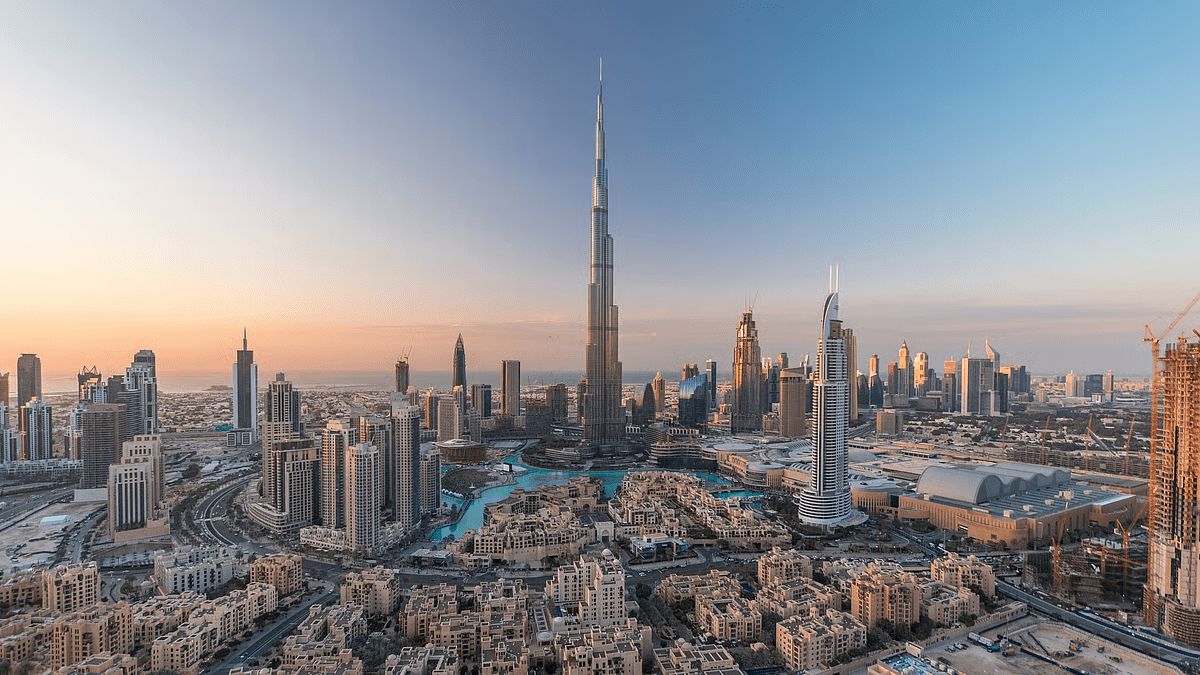

Dubai’s real estate market ended 2025 on a high note, with completed homes (ready homes) emerging as one of the strongest segments and rental prices climbing to record levels. This trend reinforces Dubai’s growing reputation as a dynamic global property hub, attracting end-users, investors and renters alike.
A Market in Motion: Ready Homes Surge
While off-plan sales often dominate headlines in Dubai, recent data shows that ready homes—properties already built and available for immediate occupancy—have been key growth drivers through 2025. Buyers are increasingly turning to these units for a range of reasons:
- Immediate occupancy – unlike off-plan homes that deliver years later.
- Clear cost visibility – buyers know exactly what they’re getting and the total cost.
- Rental income potential – with rents climbing, ready properties offer predictable cash flow.
In 2025, Dubai saw a notable uptick in both the volume and value of ready home transactions, signaling strong end-user demand beyond purely speculative buying.
Communities such as Dubai Marina, Jumeirah Village Circle (JVC) and International City were among the most sought-after locations for ready apartments, while Dubai Investment Park, Al Barsha, Al Furjan and Damac Hills 2 led in villa and mid-tier segments.
Rents Reach New Heights
Parallel to the ready home boom, Dubai’s rental market surged in 2025, reaching new highs that have both excited and concerned residents:
- Average annual rents for apartments and villas jumped significantly compared with previous years, with studios, one-bedrooms and larger units all trending upward.
- Some mid-range communities like International City saw some of the sharpest rental increases among budget housing.
This growth isn’t limited to one type of property. Both apartments and villas experienced strong rental growth, with villa rents rising steadily following pandemic-era spikes and apartment rents gaining momentum as demand remained intense.
It’s also notable that short-term and flexible rentals, particularly in central hubs like Downtown Dubai, Dubai Marina and Meydan City, continued to perform strongly thanks to robust tourism-linked demand.
What’s Driving These Trends?
1. Population and Migration
Dubai’s population continues to grow rapidly, fueled by expatriate inflows, corporate relocations and lifestyle visa programmes. This expanding resident base underpins structural housing demand—renters, families and investors alike need places to live.
2. Strong Economic Fundamentals
Despite global economic volatility, Dubai has maintained economic growth and business confidence, with sectors like finance, technology and tourism expanding. As a result, real estate remains a core pillar of the emirate’s economic strategy—offering both lifestyle living and investment opportunities.
3. Supply Dynamics
Dubai’s housing supply is expanding. Estimates suggest tens of thousands of new homes arriving in 2025 alone, with thousands already handed over in the first half of the year.
However, while new supply is substantial, it hasn’t outpaced demand—especially for ready homes in prime and mid-tier segments—which has kept upward pressure on prices and rents.
4. Investor and End-User Appetite
Buyers are increasingly focused on quality and immediate use rather than speculative gains. Ready homes, with their ability to generate rental income right away, are viewed more favorably by long-term investors and owner-occupiers alike.
Regional Hot Spots and Rental Winners
Different districts tell slightly different stories of market dynamics:
- Dubai Marina remains a perennial favourite for both luxury rentals and ready apartment sales, thanks to its waterfront lifestyle and established infrastructure.
- Jumeirah Village Circle (JVC) has emerged as a mid-market leader for both buyers and tenants seeking value.
- International City continues to attract cost-conscious renters who still seek reliable occupancy levels and decent yields.
- Mid-tier villas in Arabian Ranches 3 saw particularly strong rental jumps, with certain unit types showing double-digit growth.
Looking ahead, communities with strong amenities, schools, transport links and lifestyle offerings are expected to remain resilient as demand shifts towards live-work-play environments.
Investor Takeaways
For investors, Dubai’s real estate presents a compelling case:
- Rental yields in popular areas continue to outperform many global cities, offering attractive returns for income-focused investors.
- A strong secondary market for ready homes means liquidity and buyer interest remain high.
- Diversified demand—long-term residents, short-term tourists and multinational employees—supports broad market stability.
However, investors should also be mindful of shifting supply cycles and potential rental cooling in some segments as new projects deliver through 2026 and beyond.
Tenants and Residents: A New Landscape
For tenants, rising rents mean a more competitive rental environment:
- Many are renewing existing leases as opposed to relocating, driving rental contract renewals higher.
- Some tenants are opting to move to emerging or more affordable communities within Dubai or even neighbouring emirates to balance lifestyle with cost.
- Affordability pressures have sparked interest in shifting from renting to owning—especially as mortgage rates trend lower.
The rental story isn’t just about rising prices; it reflects where people want to live, what they’re willing to pay for, and how developers and policymakers are responding.
Looking Forward: Sustainability and Balance
Dubai’s market is not just about headline growth. Experts predict that while 2026 may see a moderation in price escalation, underlying fundamentals are expected to remain strong due to:
- Continued population and economic growth
- Strategic infrastructure investment
- A maturing regulatory and investment framework
In essence, Dubai’s real estate ecosystem is transitioning from rapid expansion to sustainable, balanced growth—where ready homes and rentals play essential, interlinked roles.
Conclusion:
Dubai’s real estate market in 2025 showcased robust performance across ready homes and rental segments, underpinned by strong demand, rising rents and expanding supply. As the emirate moves into 2026, the focus is shifting toward market stability, sustainable growth, and long-term value—making Dubai not just a destination for luxury living but a compelling choice for global property investors and residents alike.


Leave a Reply