

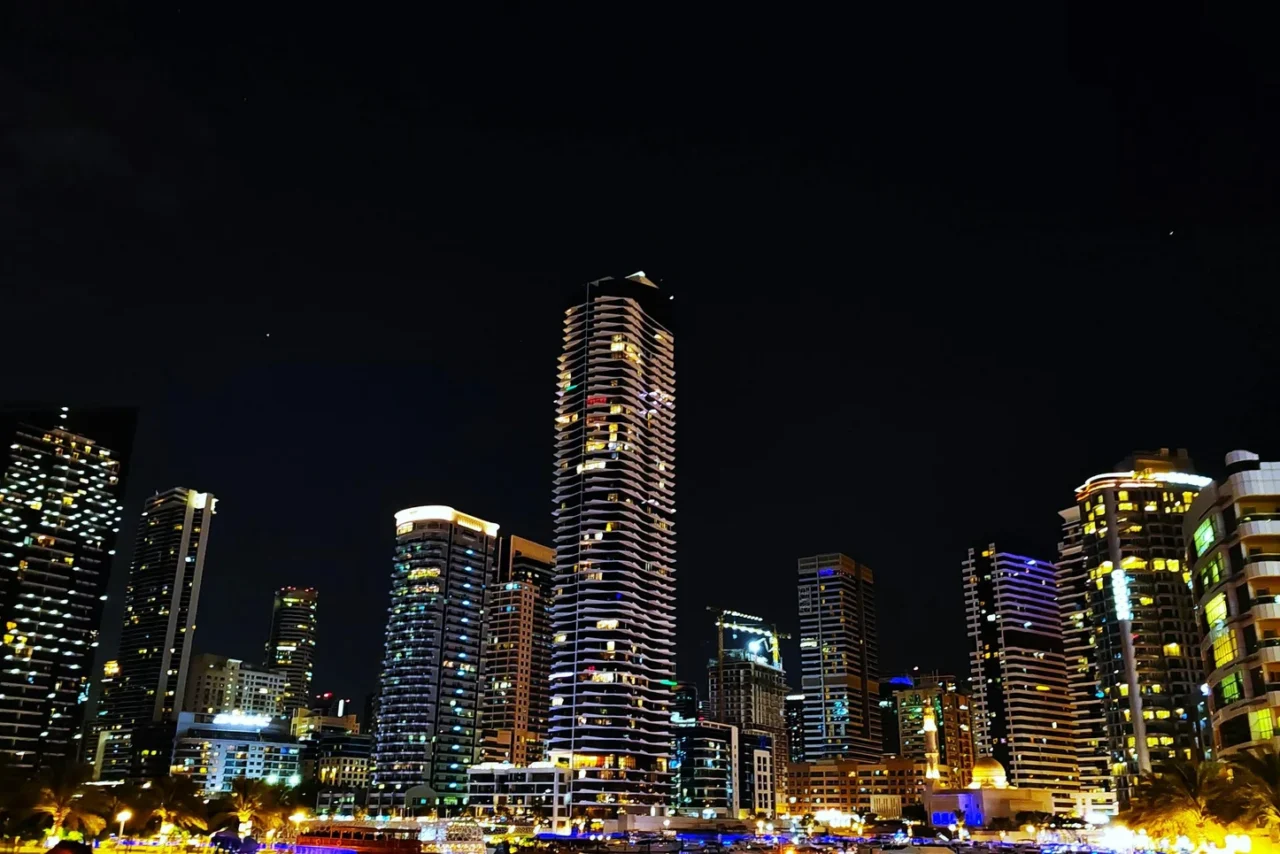

The Dubai real estate market in 2026 is shaping up as one of the most structured and resilient property markets globally. After years of rapid growth, the sector has entered a more mature phase where demand is driven by end users, long-term investors, and institutional buyers rather than short-term speculation.
This shift is creating a healthier environment focused on stability, transparency, and sustainable returns.
A More Regulated and Transparent Market
Dubai’s property sector now benefits from strong regulatory oversight and improved transaction transparency. Clearer rules, escrow protections, and digital land registration have reduced speculative risk and increased buyer confidence. This evolution has positioned Dubai as a serious long-term investment destination rather than a cyclical market.
Property Price Trends in 2026
Price growth in 2026 is expected to remain steady rather than aggressive, reflecting a balanced supply-and-demand dynamic.
- Prime and luxury locations continue to see upward pressure due to limited availability
- Mid-market communities are recording consistent appreciation supported by end-user demand
- Affordable segments remain stable, largely backed by rental demand rather than speculation
This controlled growth is attractive for investors seeking predictability rather than volatility.
Key Drivers of Demand
Several long-term factors are supporting demand across Dubai’s residential market:
- Population growth driven by skilled professionals and families
- Residency and long-term visa programs encouraging property ownership
- Continued inflow of foreign capital due to economic and political stability
These fundamentals are expected to remain strong beyond 2026.
Off-Plan Market Performance
Off-plan properties continue to attract buyers due to flexible payment plans and lower entry points. However, investors are increasingly selective, prioritizing location quality, realistic pricing, and delivery credibility. The market is shifting toward value-driven off-plan investments rather than speculative launches.
Villas vs Apartments: What’s in Demand?
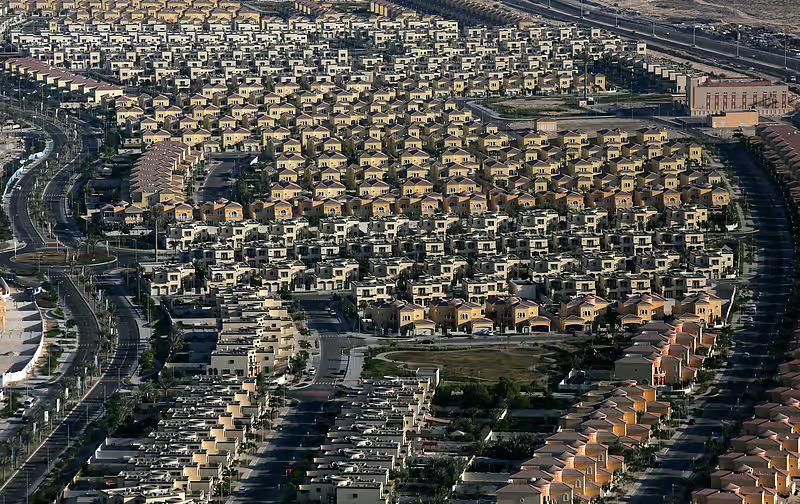
- Villas and townhouses remain highly sought after by families, with limited new supply supporting capital appreciation
- Apartments continue to perform well in the rental market, offering strong occupancy and steady income
Many investors are adopting mixed portfolios, using apartments for rental yield and villas for long-term growth.
Rental Market and Yields
Dubai continues to rank among global cities offering competitive rental returns.
- Apartments provide consistent rental income
- Villas may offer lower yields but stronger long-term appreciation
- Short-term rentals perform well in prime and lifestyle-focused locations
Rental demand remains closely tied to workforce growth and lifestyle migration.
Rising Demand for Luxury and Branded Homes
Ultra-luxury and branded residences are seeing sustained interest from international buyers. These properties benefit from limited supply, strong brand appeal, and higher resale potential, particularly among global investors seeking secure assets.
Risks to Consider
While market fundamentals are solid, buyers should remain cautious about:
- Overpriced projects in non-prime locations
- Delays linked to weaker development execution
- Broader economic cycles that can influence buyer sentiment
Current regulations provide stronger buyer protection than previous market cycles, reducing overall risk.
Is 2026 a Good Time to Invest?
For buyers focused on long-term ownership, rental income, and stable capital appreciation, 2026 remains a favorable entry point. Success depends less on timing the market and more on selecting quality properties in strong locations with realistic pricing.
Final Thoughts
Dubai’s real estate market in 2026 reflects maturity, discipline, and long-term vision. With controlled growth, sustained demand, and robust regulation, the city continues to offer attractive opportunities for investors seeking stability rather than speculation.


Leave a Reply