

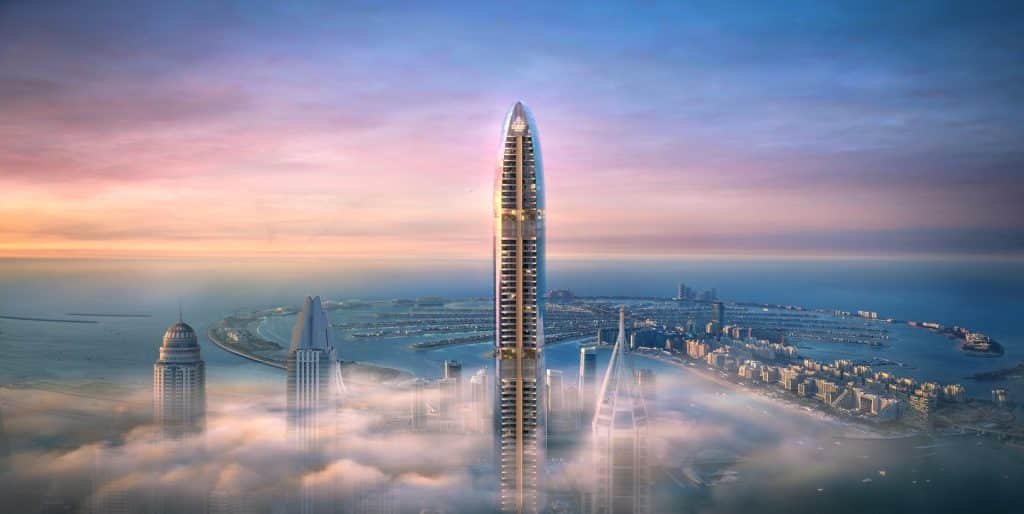

The GCC is entering a new era of ambitious skyscraper development, with Saudi Arabia and Dubai leading the race to build some of the tallest and most iconic towers in the world. From Dubai’s record-breaking skyline to Saudi Arabia’s rapidly rising Jeddah Tower, these mega developments reflect the region’s growing influence in global real estate, tourism and urban development.
Dubai continues to hold a dominant position with the Burj Khalifa, which remains the world’s tallest completed building at 828 metres. However, the competition for the skies is intensifying. Saudi Arabia’s Jeddah Tower is designed to rise beyond 1,000 metres and is expected to surpass the Burj Khalifa when completed, creating a new global landmark for the Kingdom. Construction has continued to progress, with the tower already passing major height and floor milestones.
The growing list of supertall towers also includes major developments such as Dubai’s Burj Azizi, alongside existing landmarks including the Makkah Clock Tower, Marina 101 and Princess Tower. These projects demonstrate how the GCC is transforming its cities through large-scale architecture and record-breaking real estate developments.
Beyond their impressive heights, these towers are expected to play an important role in shaping surrounding communities. They bring together luxury residences, offices, hotels, retail and entertainment, helping attract investors, businesses and visitors from around the world. Jeddah Tower, for example, is planned as the centrepiece of the wider Jeddah Economic City development, supporting Saudi Arabia’s broader urban and economic ambitions.
As Saudi Arabia and Dubai continue investing in landmark projects, the race to build higher is becoming part of a much bigger transformation. The GCC’s tallest towers are no longer simply architectural achievements—they represent the region’s confidence, economic growth and vision for the future of global cities.

Leave a Reply