

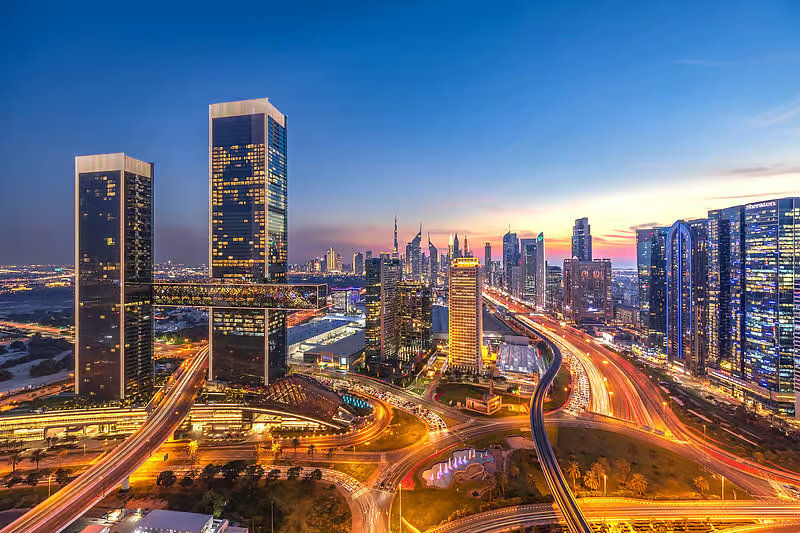

Dubai’s short-term rental market continues to demonstrate resilience despite a slower tourism environment in the second quarter of 2026. While traditional holiday bookings have softened, the market is being supported by a growing number of guests choosing longer stays. This shift is helping property owners maintain healthy occupancy levels and stable rental yields, reinforcing Dubai’s reputation as one of the world’s most attractive real estate investment destinations.
Industry experts report that business travelers, remote workers, relocating professionals, and families are increasingly booking furnished apartments and holiday homes for several weeks or even months instead of just a few nights. These extended stays provide greater income stability for landlords while offering tenants flexible accommodation without the commitment of long-term leases. The trend reflects changing travel patterns and evolving lifestyle preferences across international markets.
The resilience of Dubai’s short-term rental sector is also supported by continuous infrastructure development, world-class amenities, and government initiatives aimed at attracting global talent and investors. Even as tourism demand adjusts, the city’s strong economy, growing population, and investor-friendly regulations continue to create opportunities for both property owners and real estate investors. New residential communities and improved transport connectivity are expected to further strengthen demand in the coming years.
For investors, the current market highlights the importance of flexibility. Properties that cater to both short-term visitors and extended-stay guests are proving to be more resilient during periods of changing demand. High-quality furnishings, professional property management, and strategic locations near business districts, beaches, and transport hubs remain key factors in maximizing rental returns.
Looking ahead, Dubai’s short-term rental market is expected to remain an important segment of the emirate’s real estate sector. As international travel continues to recover and demand for flexible accommodation grows, longer stays are likely to remain a major driver of occupancy and rental performance. This evolving trend presents attractive opportunities for investors seeking sustainable rental income in one of the Middle East’s most dynamic property markets.


Leave a Reply