

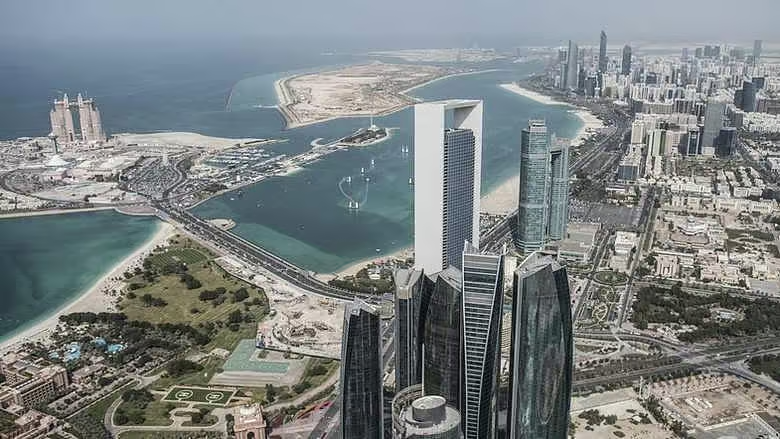

Abu Dhabi’s residential property market is entering a new phase as landlords adapt to the emirate’s temporary rent freeze by focusing on flexible lease terms and tenant-friendly incentives. Rather than relying on annual rental increases, property owners are now prioritizing long-term occupancy, customer satisfaction, and value-added services to remain competitive in an evolving real estate landscape.
The rent freeze, introduced by the Abu Dhabi Real Estate Centre (ADREC), has changed how landlords approach leasing strategies. Since rental increases are temporarily restricted, many property owners are offering more attractive lease conditions, including flexible payment schedules, easier renewal options, improved maintenance services, and enhanced tenant support. These measures are designed to strengthen tenant relationships while maintaining high occupancy levels.
This shift reflects the maturity of Abu Dhabi’s real estate sector, where landlords are increasingly recognizing the importance of tenant retention over short-term rental gains. Large institutional property owners are investing in professional property management, faster maintenance response, and better customer service, while private landlords continue to negotiate customized lease terms to attract quality tenants.
Despite the temporary restrictions on rent increases, Abu Dhabi’s property market continues to perform strongly. The emirate recorded impressive real estate transaction values during the first half of the year, supported by growing investor confidence, strong economic fundamentals, population growth, and continued government investment in infrastructure and urban development. These factors continue to create positive long-term prospects for both residential and commercial real estate.
For tenants, the current market offers greater financial stability and more negotiating power. Flexible lease agreements allow residents to better manage their housing expenses while enjoying improved living experiences through upgraded services and better-maintained properties. This environment encourages more tenants to renew existing leases rather than relocate, reducing vacancy rates across many communities.
Property experts believe the rent freeze is encouraging healthier competition among landlords. Instead of competing solely on price, they are differentiating themselves through convenience, service quality, and long-term value. These changes are expected to strengthen Abu Dhabi’s reputation as a transparent, well-regulated, and investor-friendly real estate market.
Looking ahead, flexible leasing is likely to remain an important trend even after rental regulations evolve. Landlords who invest in tenant satisfaction, efficient property management, and high-quality services are expected to maintain stronger occupancy rates and achieve sustainable returns over the long term. As Abu Dhabi continues to attract both local and international investors, the market appears well-positioned for stable and balanced growth in the years ahead.


Leave a Reply