
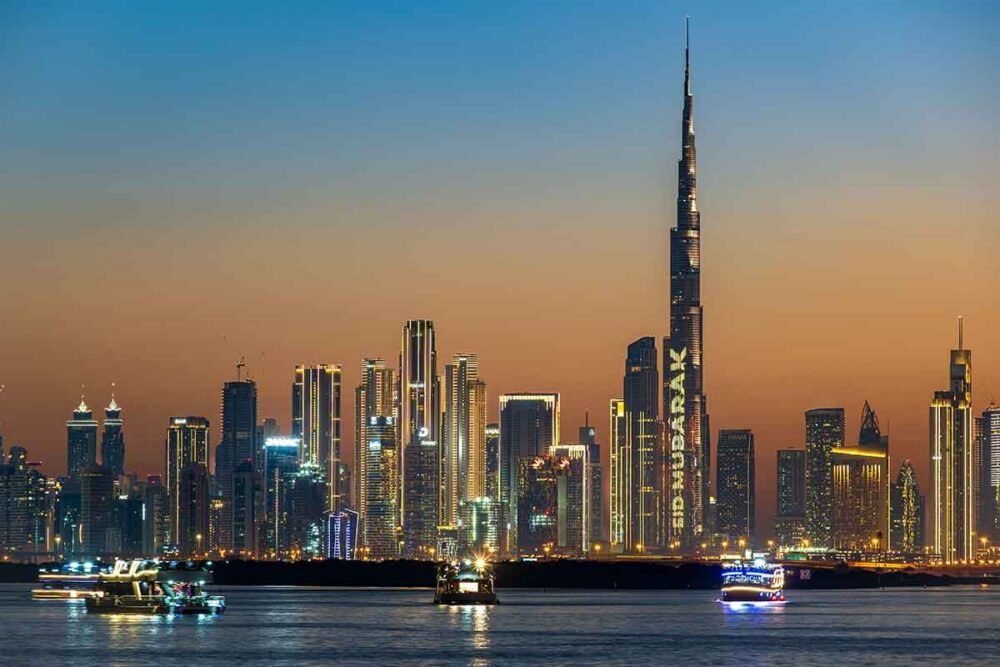

Dubai’s property market is entering a new phase. A growing share of buyers are purchasing homes without mortgage financing, choosing instead to deploy their own capital. This shift reflects confidence in Dubai’s long-term fundamentals and is reshaping how transactions are structured across the city.
Recent market data indicates that more than half of residential transactions in late 2025 were completed without bank financing. In prime communities, the percentage is even higher.
What Is Driving the Rise in Cash Transactions?
The increase in cash purchases is not about physical currency. It refers to buyers completing deals without mortgages or bank leverage. Several factors are contributing to this trend:
1. Faster Closings
Cash deals eliminate the need for mortgage approvals, valuations, and compliance checks. This significantly reduces transaction timelines.
2. Stronger Negotiating Position
Buyers who can transfer funds immediately often secure:
- More competitive pricing
- Priority access during launches
- Flexible payment arrangements
3. Global Interest Rate Volatility
With fluctuating international interest rates, many investors prefer avoiding long-term financing exposure.
4. Long-Term Wealth Allocation
Dubai is increasingly viewed as a capital preservation market, not just a short-term investment play.
Dubai’s Strong Market Fundamentals
The city’s property sector continues to be supported by:
- Sustained non-oil economic growth
- Rising population numbers
- Increased international migration
- Strong rental yields compared to other global cities
Luxury districts such as Downtown Dubai and waterfront communities are seeing particularly high demand from well-capitalized buyers.
Importantly, mortgage-backed transactions now account for a relatively smaller share of total deal value, highlighting that the market is currently fueled by real liquidity rather than debt-driven speculation.
Impact on Property Prices and Segmentation
Cash-driven demand has created a tiered market structure.
Prime Segment
High-end areas and branded residences are largely dominated by ultra-high-net-worth individuals and international investors.
Mid-Market Segment
Mortgage buyers are more active in:
- Secondary locations
- Emerging communities
- Smaller unit sizes
This segmentation has not destabilized the market. Instead, it reflects varying buyer profiles and investment strategies.
How Developers Are Responding
Developers are adapting by:
- Offering incentives for higher upfront payments
- Structuring milestone-based payment plans
- Designing efficient layouts that appeal to global investors
Rather than lowering prices aggressively, many projects are adjusting payment structures to maintain value while keeping transaction momentum strong.
Is a Cash-Heavy Market Safer?
A market with lower leverage tends to be less vulnerable to forced sales during interest rate shocks. Without widespread mortgage pressure, price corrections are typically more gradual.
However, cash-driven markets are more sensitive to shifts in global capital flows. If international liquidity tightens, transaction volumes may slow, though distressed selling is less likely.
What This Means for Investors
For investors evaluating Dubai real estate in 2026:
- The dominance of cash buyers signals long-term confidence.
- Prime properties remain highly competitive.
- Financing remains available, but many buyers are choosing not to use it.
- Rental yields and tax efficiency continue to attract international capital.
Dubai is increasingly viewed as a core allocation within global property portfolios rather than a speculative alternative market.
Final Outlook
Dubai’s real estate market is evolving into a mature, liquidity-driven ecosystem. The growing share of cash transactions reflects financial strength, strategic capital deployment, and sustained global demand.
As long as supply remains disciplined and ownership pathways remain accessible for residents, a cash-dominant market can enhance stability rather than increase risk.



Leave a Reply