
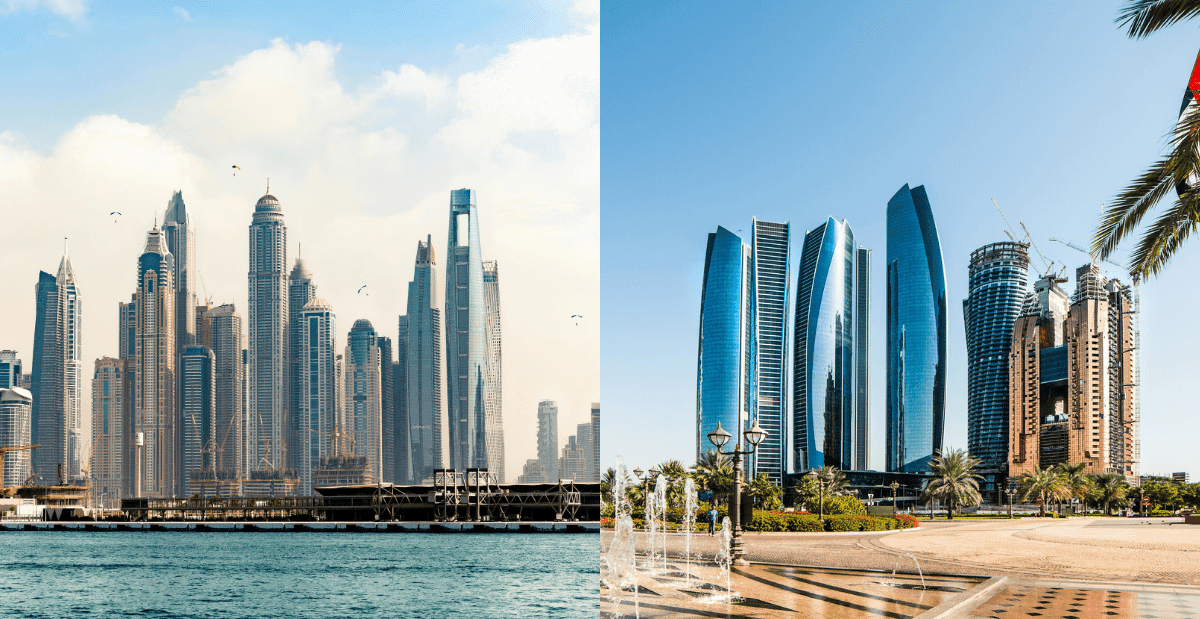

The Dubai and Abu Dhabi property markets enter 2026 from a position of strength. After an exceptional performance in 2025, both cities are moving toward a more mature, stable, and end-user-driven phase of growth. Buyer behavior is evolving, demand patterns are shifting, and long-term confidence continues to define the market.
This transition is creating fresh opportunities for homeowners, investors, and long-term residents alike.
A Clear Shift From Renting to Owning
Across both Dubai and Abu Dhabi, more residents are choosing ownership over renting. Rising rental costs, long-term residency incentives, and improved mortgage accessibility are encouraging buyers to commit to property purchases rather than short-term leases.
This trend is especially strong among first-time buyers and long-term residents who see property ownership as a more stable and financially sensible option in 2026.
Growing Demand for Larger and Premium Homes
Buyer preferences have shifted noticeably toward spacious and higher-quality homes. Entry-level properties now represent a smaller share of total transactions, while mid-range and premium residences continue to gain ground.
In Dubai, luxury and upper-mid-segment homes are benefiting from international interest, lifestyle migration, and steady inflows of high-net-worth individuals. In Abu Dhabi, family-oriented buyers are increasingly prioritizing comfort, space, and long-term liveability over smaller units.
Apartments Lead Transactions, Villas Lead Value Growth
Apartments continue to dominate overall transaction volumes due to wider availability, flexible pricing, and investor appeal. Studios and smaller units, in particular, remain attractive for rental yields and entry-level investment strategies.
At the same time, villas are outperforming in terms of price appreciation. Limited supply, demand for privacy, and the rise of family buyers have pushed villa values higher, especially for mid-sized and larger layouts. This balance highlights a market that caters effectively to both investors and end users.
Studio Units Remain a Strong Investment Choice
Studios are proving resilient in both sales and rental markets. They attract investors seeking efficient capital deployment, consistent demand, and competitive yields. In high-density urban communities, studios continue to outperform larger apartments in terms of liquidity and return efficiency.
For investors focused on income generation rather than long-term self-use, studio apartments remain one of the most practical asset classes in 2026.
Established Communities Hold Value While New Areas Gain Attention
Well-developed communities with proven infrastructure, connectivity, and lifestyle amenities remain highly desirable. These areas offer stability, resale confidence, and consistent rental demand.
At the same time, newer master-planned districts and waterfront developments are attracting buyers looking for modern layouts, upgraded amenities, and future growth potential. This dual demand reflects a market that is both stable and forward-looking.
Abu Dhabi’s Market Favors Family-Driven Growth
Abu Dhabi continues to show strong demand for larger residential units. Apartments account for the majority of transactions, but villa buyers are increasingly choosing four-bedroom and larger homes. This signals a clear focus on long-term settlement, family living, and community-oriented developments.
The capital’s steady price growth and controlled supply reinforce its appeal as a stable residential and investment destination.
Outlook for 2026
As 2026 unfolds, Dubai and Abu Dhabi are expected to maintain healthy momentum without the volatility seen in earlier cycles. The focus has shifted to sustainable growth, quality developments, and long-term demand rather than short-term speculation.
For buyers and investors, this means a market defined by confidence, clearer value propositions, and opportunities aligned with lifestyle and long-term planning.


Leave a Reply