
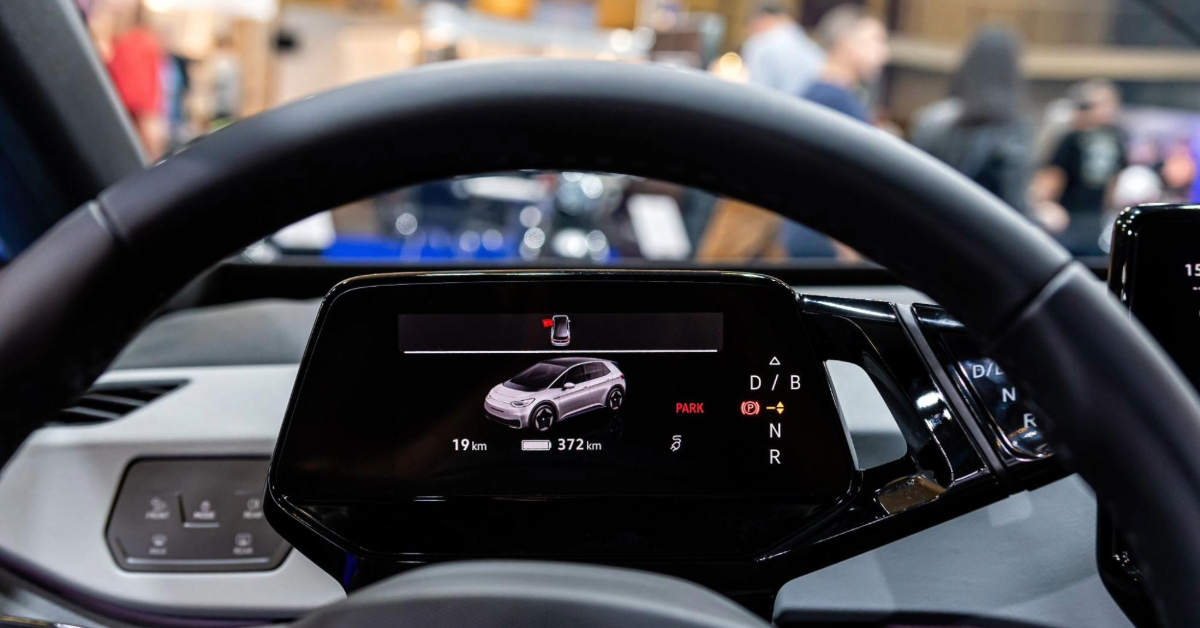

Dubai is moving steadily toward a future where autonomous taxis are part of daily life. What started as controlled pilot testing has now entered real public road operations in selected communities. For property buyers and investors, this shift is more than a transport upgrade. It has long-term implications for accessibility, connectivity, and real estate value.
The Current Status of Driverless Taxis in Dubai
Under the supervision of the Roads and Transport Authority (RTA), Dubai has launched autonomous taxi services in key areas such as Jumeirah and Umm Suqeim. Early trials included onboard safety operators. Now, fully driverless vehicles are operating in selected zones.
One of the main technology partners is Baidu through its Apollo Go platform, which introduced the RT6 autonomous vehicle. Another global mobility partner, Uber, is facilitating bookings for certain autonomous rides via its app.
Dubai’s long-term goal is clear: 25 percent of all transportation journeys to be autonomous by 2030. This aligns with the broader Dubai Smart City and mobility strategy.
How Driverless Transport Impacts Real Estate
Autonomous mobility is not just about innovation. It directly influences property demand, location appeal, and infrastructure growth.
1. Increased Accessibility
Communities that were previously considered slightly remote may become more attractive when seamless, driverless connectivity is available. Easier access to business districts, schools, and retail hubs increases residential appeal.
2. Higher Investment Potential
Transport infrastructure has historically boosted property values. As driverless zones expand toward areas like Sheikh Zayed Road, Downtown, and Business Bay, surrounding residential and mixed-use developments may benefit from stronger demand.
3. Lifestyle Convenience
For residents, especially families and professionals, autonomous taxis reduce reliance on private vehicles. This supports communities designed around walkability and shared mobility rather than large parking allocations.
Expansion Plans and Infrastructure
Dubai is gradually scaling its autonomous fleet. The strategy includes:
- Expanding service zones step by step
- Increasing the number of autonomous vehicles
- Developing monitoring and control centers
- Enhancing charging and smart road infrastructure
Dedicated operations hubs are being set up to monitor performance, safety systems, and AI calibration in real time. This structured rollout reduces risk while allowing steady growth.
Opportunities and Challenges
Opportunities
- Reduced traffic accidents through AI-based driving systems
- Improved mobility for elderly residents and people with disabilities
- Stronger global positioning as a smart investment destination
- Attraction of technology-driven businesses
Challenges
- Regulatory and insurance frameworks
- Weather and road-condition adaptation
- Infrastructure investment costs
- Public trust and adoption rates
Dubai’s regulatory environment is adapting to support full autonomy while maintaining strict safety standards.
What This Means for Property Buyers and Investors
For buyers, autonomous mobility supports long-term community growth. For investors, it signals government commitment to infrastructure-led expansion. Areas integrated into early driverless taxi networks could see stronger rental demand and improved capital appreciation over time.
In a market like Dubai, where infrastructure often precedes value growth, driverless cars represent another strategic layer shaping the future of urban living.

Leave a Reply